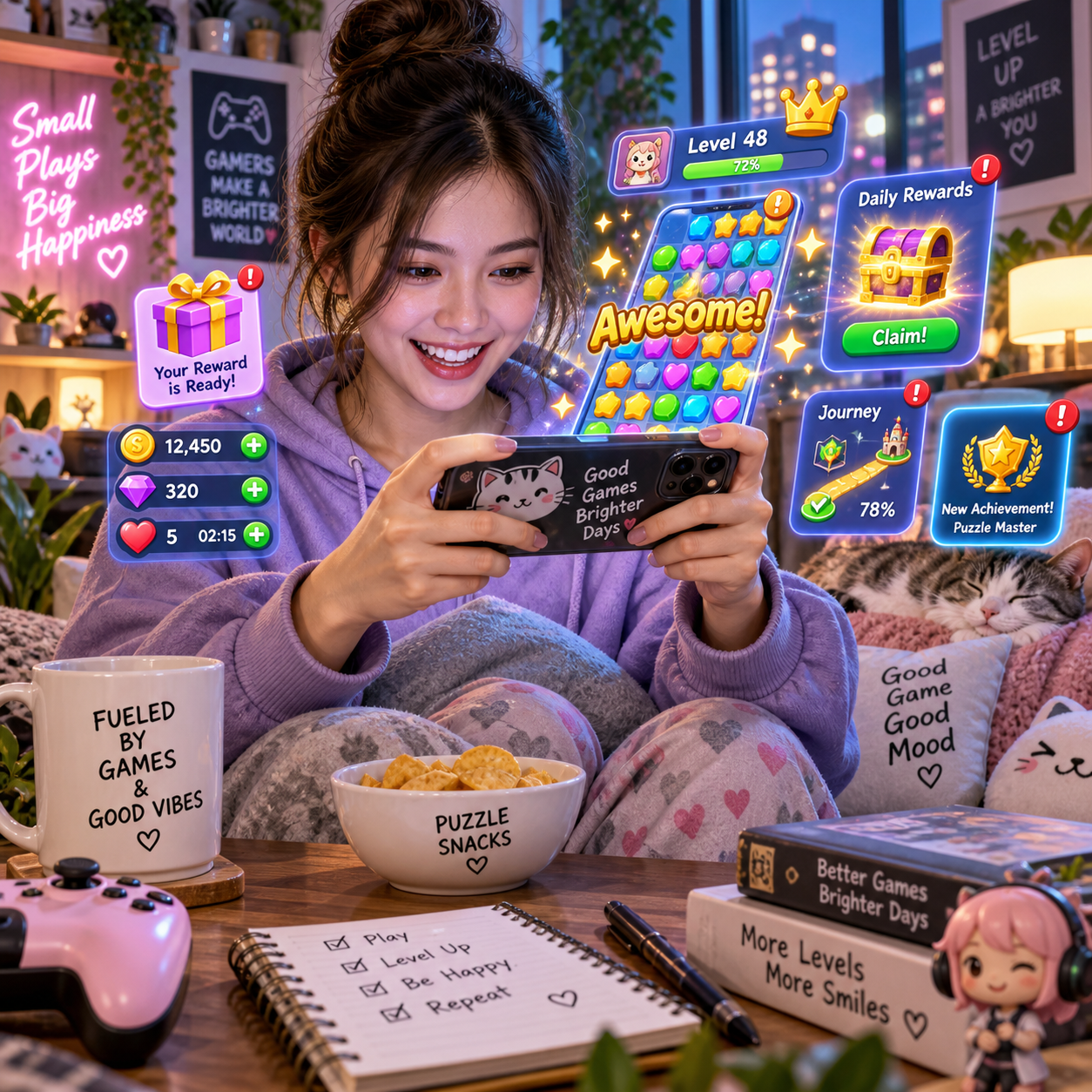

Why Casual Games Are Perfect for Stress Relief
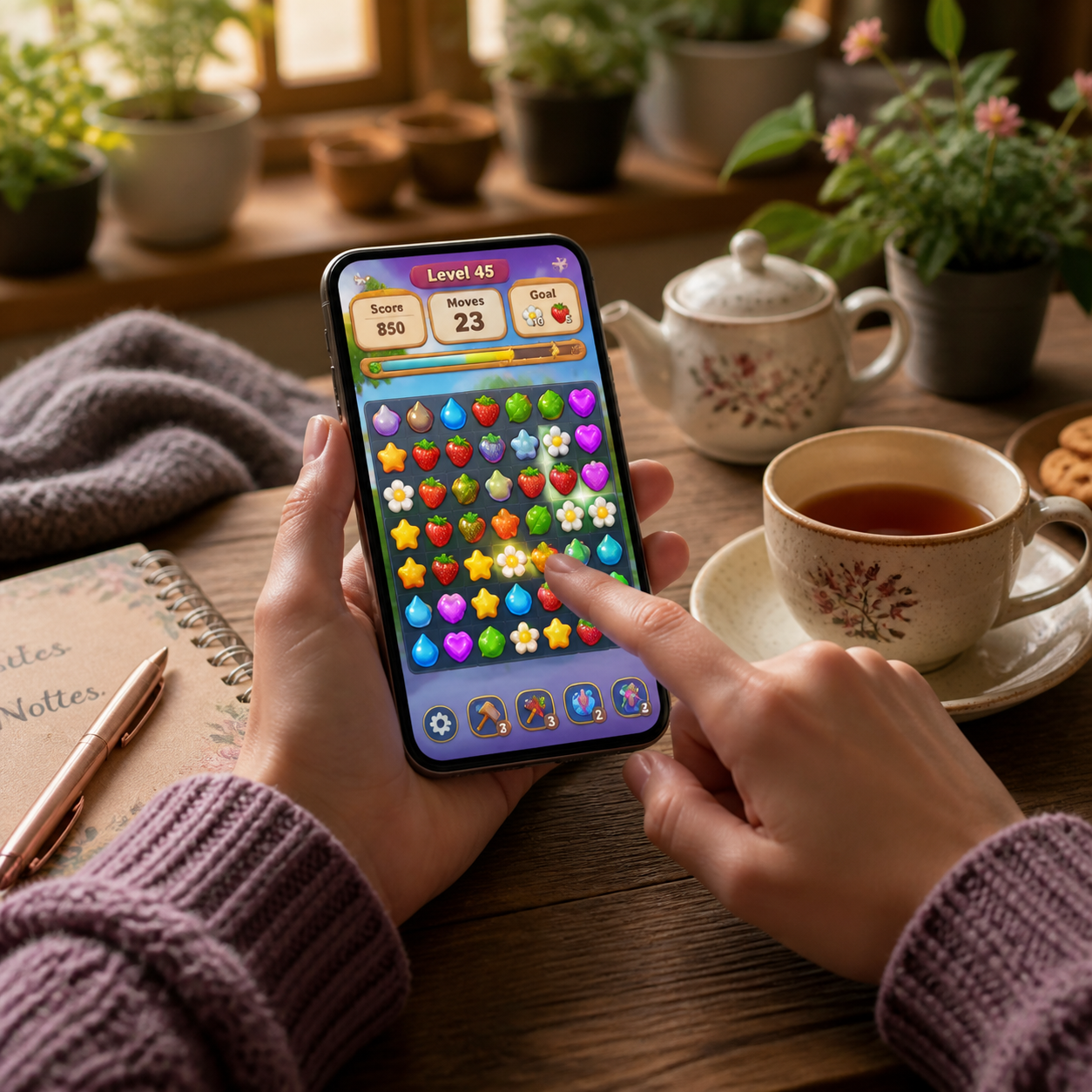
Stress can make your mind feel crowded, especially after work, during a busy day, or before an important task. Casual games offer a simple way to step back for a few minutes. Their clear rules, accessible controls, and manageable goals can create a small pocket of relaxation without demanding hours of concentration.
They are not a treatment for anxiety, depression, or other health conditions, and they should not replace sleep, exercise, supportive relationships, or professional care. Used intentionally, however, casual gameplay can provide a pleasant mental reset and help you return to your day with a little more focus.
What Makes Casual Games So Relaxing
Casual games are relaxing because they combine simple rules, easy controls, short sessions, and low-pressure gameplay. Players can usually begin within seconds, understand the main objective quickly, and stop without losing a large investment of time.
Accessibility is a major part of the appeal. A puzzle game may require only taps, swipes, or a few minutes of observation. Mobile games are particularly convenient because they fit naturally into short breaks, waiting periods, and quiet moments at home.
Many casual titles also reduce the mental load associated with traditional games. You may not need to memorize complex controls, learn a large fictional world, or compete against highly skilled opponents. The experience often feels more like a gentle activity than a demanding performance.
- Simple rules: The objective is usually easy to understand.
- Accessible controls: Touch, click, drag, and match mechanics are welcoming to beginners.
- Short sessions: A round may last from two to fifteen minutes.
- Low-pressure structure: Pausing or stopping is often easy.
Choosing low-pressure gameplay for relaxation means accepting that not every casual game will feel calm. Timed challenges, frequent notifications, difficult level systems, or aggressive reward loops can produce pressure. The label casual describes accessibility, not a guaranteed emotional effect.
How Casual Gameplay Can Help You Unwind
Casual gameplay can help you unwind by redirecting attention away from daily worries and toward a clear, manageable activity. A short session gives the mind one immediate task instead of several unfinished thoughts competing for attention.
This shift is often useful after mentally demanding work. Matching colors, arranging objects, solving a word clue, or decorating a virtual space requires enough attention to interrupt rumination. The game does not erase the underlying problem, but it can create distance from it.
Focused attention and flow state
Some players experience a mild flow state, a period in which attention becomes absorbed in an activity. Casual games can encourage this through clear goals and immediate feedback. You place a tile, see the result, and make the next decision. That rhythm can feel satisfying and calming.
Enjoyable repetition also matters. Repeating a familiar action, such as sorting shapes or completing a simple word grid, may provide structure without demanding constant novelty. Progress bars, completed levels, and small visual rewards offer a sense of movement when real-life tasks feel vague or overwhelming.
The effect depends on the game and the player. A difficult puzzle may sharpen concentration for one person and create frustration for another. The useful question is not whether a game is popular, but whether your body and attention feel calmer after playing.
The Best Types of Casual Games for Stress Relief
The best casual games for stress relief are usually predictable, flexible, and easy to pause. Relaxing puzzles, word games, simulations, matching games, idle games, and creative titles each support a different kind of mental break.
- Relaxing puzzle games: Spatial puzzles, logic grids, and untimed brain teasers suit players who enjoy quiet problem-solving. Choose generous hint systems and avoid puzzles that leave you stuck for long periods.
- Word games: Word searches, anagrams, and gentle crossword-style games provide focused attention with familiar rules. They can be especially suitable for a short lunch break or a calm evening session.
- Simulation games: Gardening, cooking, decorating, and village-building simulations create a sense of control and gradual progress. Their slower pace may appeal when you want something more immersive.
- Matching games: Match-three and sorting games offer clear visual feedback and enjoyable repetition. Untimed modes are generally more suitable for relaxation than fast competitive formats.
- Idle games: These games involve gradual progress with limited active input. They may work for players who want a low-effort activity, although frequent alerts can undermine relaxation.
- Creative games: Digital coloring, room design, drawing, and sandbox-style titles encourage expression without a single correct answer. They can be a good choice when achievement feels tiring.
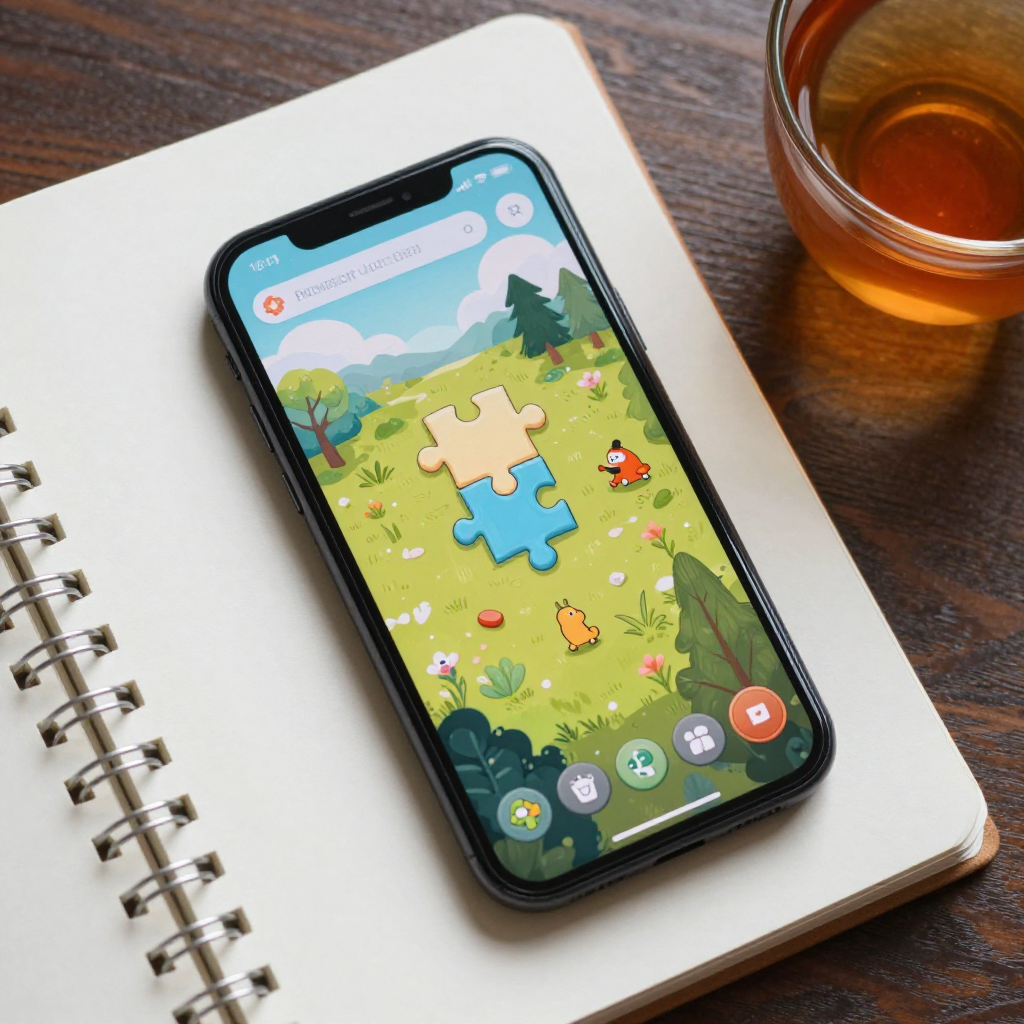
Think of these styles as different tools. A word game may help you refocus during a five-minute pause, while a creative simulation may work better when winding down for twenty minutes. Personal preference matters more than a universal ranking.
Choosing a Casual Game That Fits Your Mood
Choose a casual game by matching its pace, difficulty, sound, and session length to your current mood. A game that relaxes you after lunch may feel irritating when you are tired or overstimulated at night.
Use the following quick filter before starting:
- Check your energy. If you feel mentally drained, choose familiar mechanics and a low difficulty setting. If you feel restless, a mildly engaging puzzle may help you settle.
- Check the pace. Select untimed or turn-based play when you want control. Avoid countdowns if deadlines already dominate your day.
- Check the sound design. Soft music, adjustable effects, and a quiet mode can make a significant difference. Turn off sound entirely if audio feels stimulating.
- Check the session length. A game with natural stopping points works better for short breaks and time management.
- Check the emotional aftertaste. Notice how you feel after one round. Calm, refreshed, or pleasantly focused are useful signals; tense, guilty, or compelled are warnings.
Difficulty deserves special attention. A challenge level slightly above your comfort zone can create satisfying focus, while repeated failure can turn relaxation into another test. Look for adjustable settings, hints, undo options, and offline play if you want fewer interruptions.
Tips for Using Games as a Healthy Stress Break
To use casual games as a healthy stress break, set a flexible stopping point, reduce distractions, and keep the session intentional. The aim is a brief reset, not an obligation to complete every level or collect every reward.
- Choose a purpose: Decide whether you want to refocus, decompress, or enjoy a quiet activity. This makes it easier to select the right game.
- Use a gentle time limit: Try one round, ten minutes, or a clearly defined stopping point. A timer can help, but it should support time management rather than create pressure.
- Adjust the environment: Lower brightness, mute unnecessary alerts, and use headphones only if they feel comfortable.
- Avoid competitive pressure: Skip leaderboards, ranked modes, and multiplayer challenges when your goal is relaxation.
- Take a physical break: After playing, look away from the screen, stretch, drink water, or walk briefly.
- Protect the rest of your routine: Do not sacrifice meals, sleep, exercise, work, or social connection for another level.
For broader digital-wellbeing guidance, the National Institute of Mental Health describes gaming as only one possible leisure activity within a wider approach to mental health. That context matters: casual games work best alongside, rather than instead of, foundational self-care.
When Casual Gaming May Add Stress Instead
Casual gaming may add stress when it causes frustration, compulsive play, overstimulation, or neglected responsibilities. A relaxing tool stops serving that purpose when the game controls your attention rather than fitting comfortably into your routine.
Common warning signs
- Frustration: You repeatedly restart levels, feel angry after losing, or remain tense when you stop.
- Compulsive play: You intend to play for ten minutes but continue for an hour despite discomfort or other plans.
- Overstimulation: Bright effects, rapid rewards, sounds, and notifications leave you wired instead of settled.
- Neglected responsibilities: Gaming regularly delays sleep, work, meals, exercise, or important conversations.
People often make these mistakes because casual games appear harmless and quick. A sequence of short rounds can quietly consume much more time than expected, especially when the game uses constant prompts or escalating rewards.
Correct the pattern by disabling notifications, removing the most stressful title, switching to an offline or untimed game, and setting a clear stopping cue. If gaming feels difficult to control or interferes with daily life, consider discussing the pattern with a qualified mental-health professional.
Building Casual Games Into a Relaxing Routine
Build casual games into a relaxing routine by assigning them to specific, low-stakes moments and pairing them with a clear transition afterward. Planned play is easier to balance than reaching for a game whenever stress appears.
After work, a ten-minute matching game can mark the transition from professional demands to personal time. During a short break, a word puzzle can provide a change of mental context without requiring a full hour of entertainment. In the evening, a quiet creative title may help you slow down before switching to a screen-free activity.
Try a simple Reset, Play, Return routine:
- Reset: Take a breath, identify how you feel, and choose a game that matches your energy.
- Play: Enjoy one defined session with notifications and competitive features reduced.
- Return: Close the game, move your body or rest your eyes, and decide what comes next.
Before bed, mobile games can help some people relax, but screens and stimulating gameplay can disturb others. If you notice delayed sleep, choose a quieter activity, reduce brightness, and leave enough time for a screen-free wind-down.
Casual games are most useful when they remain optional, pleasant, and proportionate. A few focused minutes can refresh your attention. The moment play becomes another source of pressure, change the game, shorten the session, or choose a different form of rest.
Frequently Asked Questions
Are casual games good for stress relief?
Casual games can support stress relief by offering distraction, focused attention, enjoyable repetition, and small achievable goals. Their benefits vary by person and depend on choosing a low-pressure game.
Which casual games are best for relaxing?
Untimed puzzle games, word games, matching games, creative titles, gentle simulations, and selected idle games are common choices. Look for adjustable difficulty, quiet sound design, and easy stopping points.
How long should you play a casual game for stress relief?
There is no universal ideal duration. A session of five to twenty minutes may be enough for a mental reset, provided it leaves you calmer and does not interfere with sleep, work, exercise, or other responsibilities.
Can mobile games help you relax before bed?
They can help some people unwind, but bright screens, notifications, and fast gameplay may make sleep harder for others. Use low brightness, mute alerts, choose a calm title, and switch to screen-free relaxation if you feel more alert.
When does casual gaming become unhealthy?
Casual gaming becomes concerning when it is difficult to stop, causes repeated distress, disrupts sleep or responsibilities, or replaces essential coping activities. Adjust the environment and routine, and seek professional support if the pattern persists.