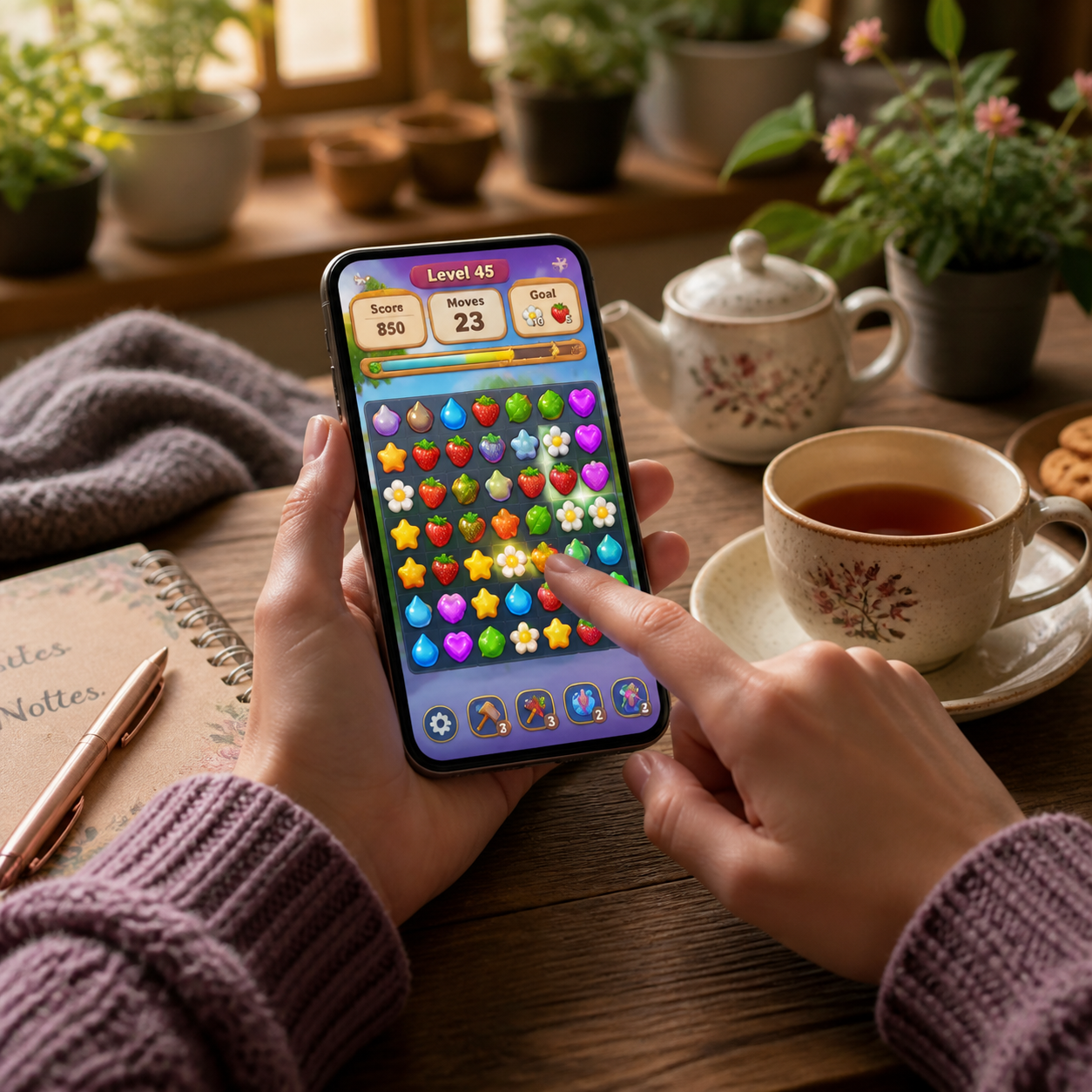

The Psychology Behind Addictive Mobile Games: Why We Keep Coming Back
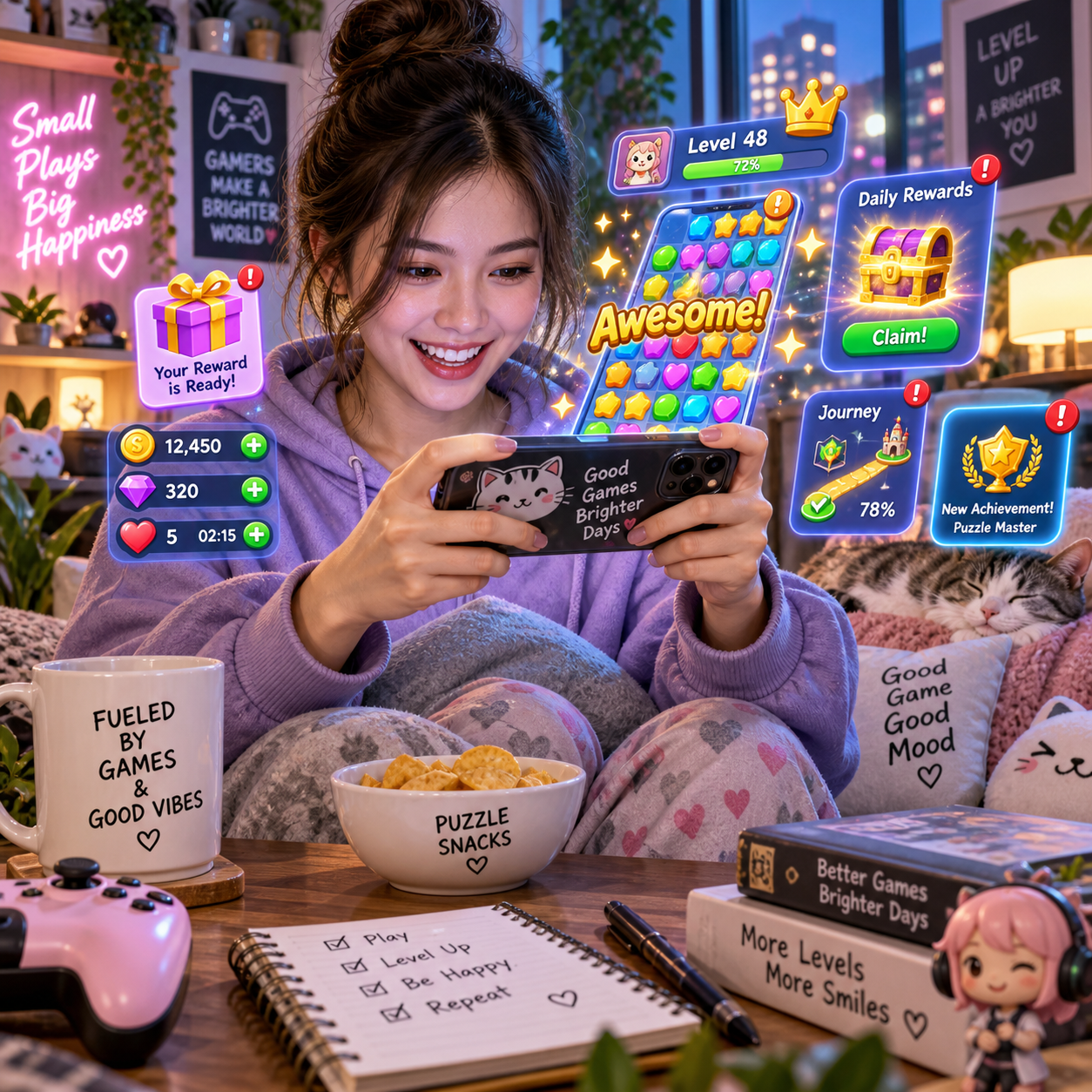
Mobile games are designed to be easy to start, satisfying to play, and convenient to revisit. A two-minute puzzle, a daily challenge, or a quick turn in a strategy game can fit into a queue, commute, or coffee break. That accessibility is part of their appeal, but it also explains why a short session can become a repeated daily habit.
The psychology behind addictive mobile games involves several overlapping systems: reward systems, progression loops, immediate feedback, social interaction, notifications, and carefully timed choices. Understanding these mechanics does not mean every engaging game is harmful. It gives players a clearer way to recognize what keeps them playing and decide whether a particular game fits their routines, budget, and attention.
What Makes Mobile Games So Engaging?
Mobile games are engaging because they combine clear goals, rapid feedback, low effort, and frequent rewards in a format that is always nearby. These features make play feel satisfying almost immediately, even when a session lasts only a few minutes.
Casual games usually remove barriers between intention and action. Players can open a game with one tap, understand the basic objective quickly, and receive a result soon after. Matching pieces, completing a level, collecting a virtual item, or beating a personal score creates a complete psychological cycle: choose an action, see its outcome, and decide whether to continue.
Immediate feedback is especially important. Sound effects, animations, vibration, score changes, and visual celebrations tell players that their actions mattered. This feedback makes ordinary inputs feel meaningful and helps the game remain understandable without lengthy instructions.
Mobile games also offer goals at several scales. A player may aim to finish the next level, complete a daily mission, unlock a character, or improve a weekly ranking. Small objectives keep progress visible while larger objectives give the session a sense of direction.
Player autonomy matters too. Games feel more enjoyable when players believe they are choosing their own pace, strategy, and goals. When every action feels forced by countdowns, purchase prompts, or social pressure, engagement can shift toward stress. The same mechanic can feel motivating for one player and exhausting for another.
The Role of Rewards and Progression
Rewards and progression motivate repeated play by showing players that each action produces a useful or satisfying result. Points, coins, unlockables, levels, streaks, badges, and new abilities turn individual actions into visible progress.
A typical progression loop might look like this:
- Complete a level or challenge.
- Receive coins, points, experience, or an item.
- Use the reward to unlock an upgrade or access a new goal.
- Attempt the next challenge with a slightly higher target.
This structure works because progress gives effort a visible shape. A player may not feel motivated to play simply to move colored tiles, but reaching the next stage or completing a collection provides a clearer reason to continue.
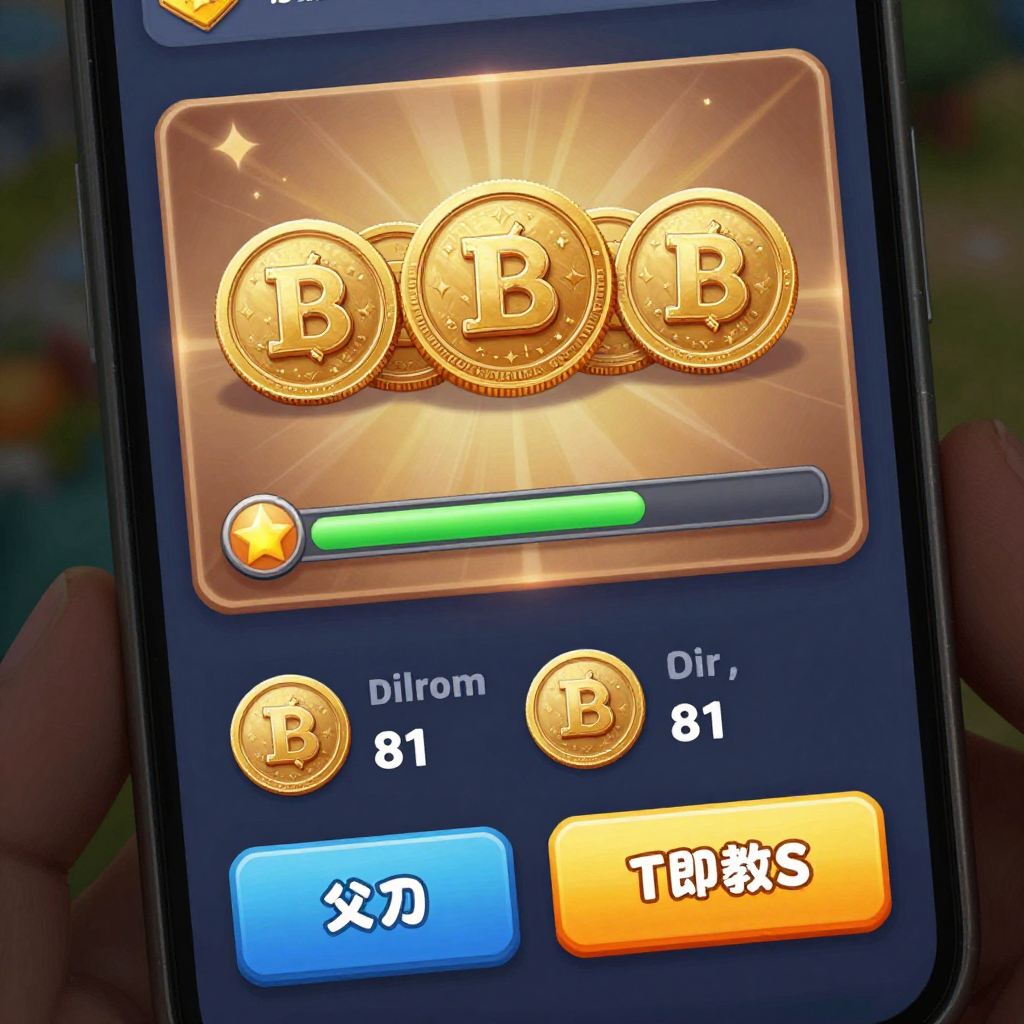
Variable rewards add uncertainty to this process. Instead of receiving exactly the same outcome every time, players may discover a rare item, earn a bonus multiplier, or open a reward chest with different possibilities. Unpredictable outcomes can make the next attempt feel especially tempting because the result is not fully known in advance.
Variable rewards are not automatically unethical. Randomness can add surprise and variety to a game. The concern grows when uncertain rewards are tied to real-money spending, repeated purchase prompts, or pressure to chase a rare outcome. Players should know what they are paying for and set a spending limit before emotion takes over.
Streaks create another powerful incentive. A daily reward can encourage consistency, but losing a long streak may trigger loss aversion, the tendency to feel the loss of something valuable more strongly than an equivalent gain. A player might open a game they no longer enjoy simply to protect a 30-day streak.
Why Short Sessions Become Repeated Habits
Short gaming sessions become repeated habits when a reliable cue leads to an easy action and a rewarding result. Mobile games are particularly effective at this because they reduce the time, effort, and preparation required to begin.
A habit loop often contains three parts:
- cue: a moment such as boredom, a notification, or a break in the day.
- Routine: opening the game and completing a familiar action.
- Reward: entertainment, progress, relief from boredom, or social connection.
The loop becomes stronger when the reward arrives quickly. A casual game may offer a playable level in under a minute, while a longer hobby requires equipment, planning, or a larger block of free time. Convenience does not make mobile gaming bad; it simply makes the behavior easier to repeat.
Many games also end sessions at an attractive stopping point. After completing one level, the next challenge may already be loaded. A progress bar may be almost full. An energy meter may have just refreshed. These details create a sense of unfinished business that encourages another attempt.
Players can interrupt the loop by identifying the cue. If boredom is the trigger, a short walk or offline activity may meet the same need. If automatic checking happens whenever a phone buzzes, changing notification settings can remove the cue without requiring constant willpower.
Social Features, Competition, and FOMO
Social interaction, competition, limited-time events, and notifications encourage continued play by making the game feel connected to other people and to the present moment. Leaderboards and shared challenges can add meaning that a solo score does not provide.
A leaderboard gives players a comparison point. Beating a personal record may feel satisfying, while moving ahead of a friend can create a stronger emotional response. Team events and cooperative missions can also make play feel like a commitment to others. These features are enjoyable when participation remains voluntary and the social atmosphere stays friendly.
The pressure becomes heavier when games use FOMO, or fear of missing out. A limited-time costume, event, bonus, or challenge may suggest that waiting means losing an opportunity permanently. Notifications amplify this effect by bringing the game into unrelated parts of the day.
A useful distinction is urgency versus importance. An event can be exciting without being important. Ask whether missing it would affect your enjoyment next week, or merely create a temporary feeling of regret. That question creates distance from the countdown.
Notifications can be helpful for a planned reminder, but constant alerts fragment attention. In a phone’s app settings, consider keeping only messages that provide real value, such as a direct invitation from a friend, and disabling promotional alerts, energy reminders, and routine reward prompts.
When Engagement Becomes a Problem
Gaming becomes concerning when play repeatedly causes loss of control, disrupts daily responsibilities, damages relationships, or leads to spending that the player did not intend. Enjoying a game often is not the same as having a gaming disorder or an addiction.
Warning signs can include:
- Playing longer than planned on most days despite repeated attempts to stop.
- Missing sleep, meals, work, study, or social commitments because of gaming.
- Feeling unusually irritable or distressed when unable to play.
- Hiding play time or minimizing how much time or money the game consumes.
- Making unplanned in-app purchases, especially to protect progress or chase uncertain rewards.
Context matters. A busy week with extra gaming is different from a persistent pattern that affects health and responsibilities. Likewise, spending a planned amount on a game is different from using purchases to relieve anxiety or recover losses.
One practical test is the control check: can you set a reasonable stopping point and follow it without major difficulty? If the answer is repeatedly no, write down when you play, what triggered it, and how long the session lasted. A simple seven-day record often reveals patterns that feel invisible while playing.
People who cannot regain control or who experience serious disruption should consider speaking with a qualified mental-health professional. Self-observation is useful, but it should not replace professional support when gaming is tied to distress, isolation, or financial harm.
How to Enjoy Mobile Games More Mindfully
Mindful mobile gaming means deciding when, why, and how much to play before the game’s reward systems make that decision for you. The goal is not to remove fun; it is to protect time, attention, money, and player autonomy.
Use a simple control plan
- Set a session boundary. Choose a time limit or a natural stopping point, such as two levels. Use a phone timer rather than relying on memory.
- Remove unnecessary cues. Disable promotional notifications, badge counts, and alerts that are not genuinely useful.
- Review purchases. Turn on purchase authentication, avoid storing payment details where possible, and set a monthly entertainment budget. Treat random-reward purchases with extra caution.
- Protect vulnerable times. Keep games out of bedtime, meals, work blocks, and conversations. A game that fits a break may interfere with sleep when played in bed.
- Choose autonomy-friendly games. Look for clear prices, understandable rules, accessible offline options, fair difficulty, and ways to progress without constant spending or social pressure.
It also helps to separate the game’s design from your personal goal. If you want relaxation, a game with endless competitive rankings may work against that aim. If you want a brief mental challenge, choose a title that lets you finish a complete activity without demanding hourly check-ins.
Before installing a new game, ask three questions: What does it reward? What does it remind me to do? What happens if I do not return tomorrow? The answers reveal whether the design supports your preferences or depends heavily on urgency, variable rewards, and fear of loss.
Frequently Asked Questions
Why are mobile games so addictive?
Mobile games can become highly habit-forming because they combine convenience, immediate feedback, progression loops, social features, and frequent rewards. These elements make starting easy and stopping less obvious, although engagement varies widely between players.
How do rewards affect gaming behavior?
Rewards provide feedback and motivation. Predictable rewards support progress, while variable rewards add uncertainty that can encourage another attempt. The effect becomes risky when rewards are tied to pressure, unlimited play, or unplanned spending.
Are casual games designed to create habits?
Many casual games use habit-forming design patterns such as daily missions, streaks, reminders, and short progression loops. These patterns can support regular enjoyment, but players should decide whether the frequency matches their own goals.
How can I stop playing mobile games excessively?
Start by recording play times for one week, then set a specific limit, disable unnecessary notifications, and remove easy purchase access. Replace the usual trigger with another short activity. If attempts to cut back repeatedly fail, seek professional support.
What is the difference between engaging and problematic gaming?
Engaging gaming remains compatible with sleep, responsibilities, relationships, and planned spending. Problematic gaming involves repeated loss of control or meaningful disruption, regardless of how enjoyable the game feels.